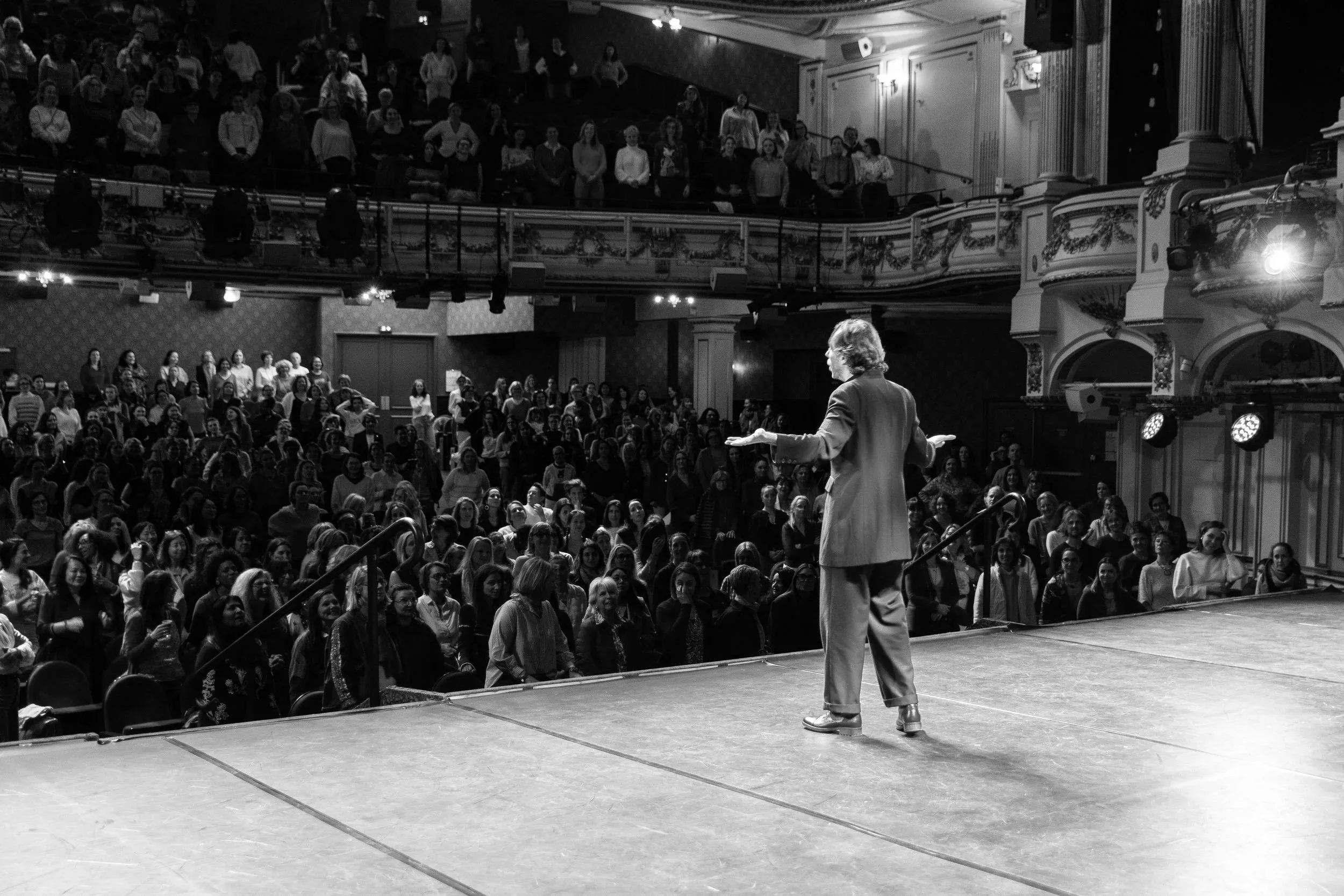
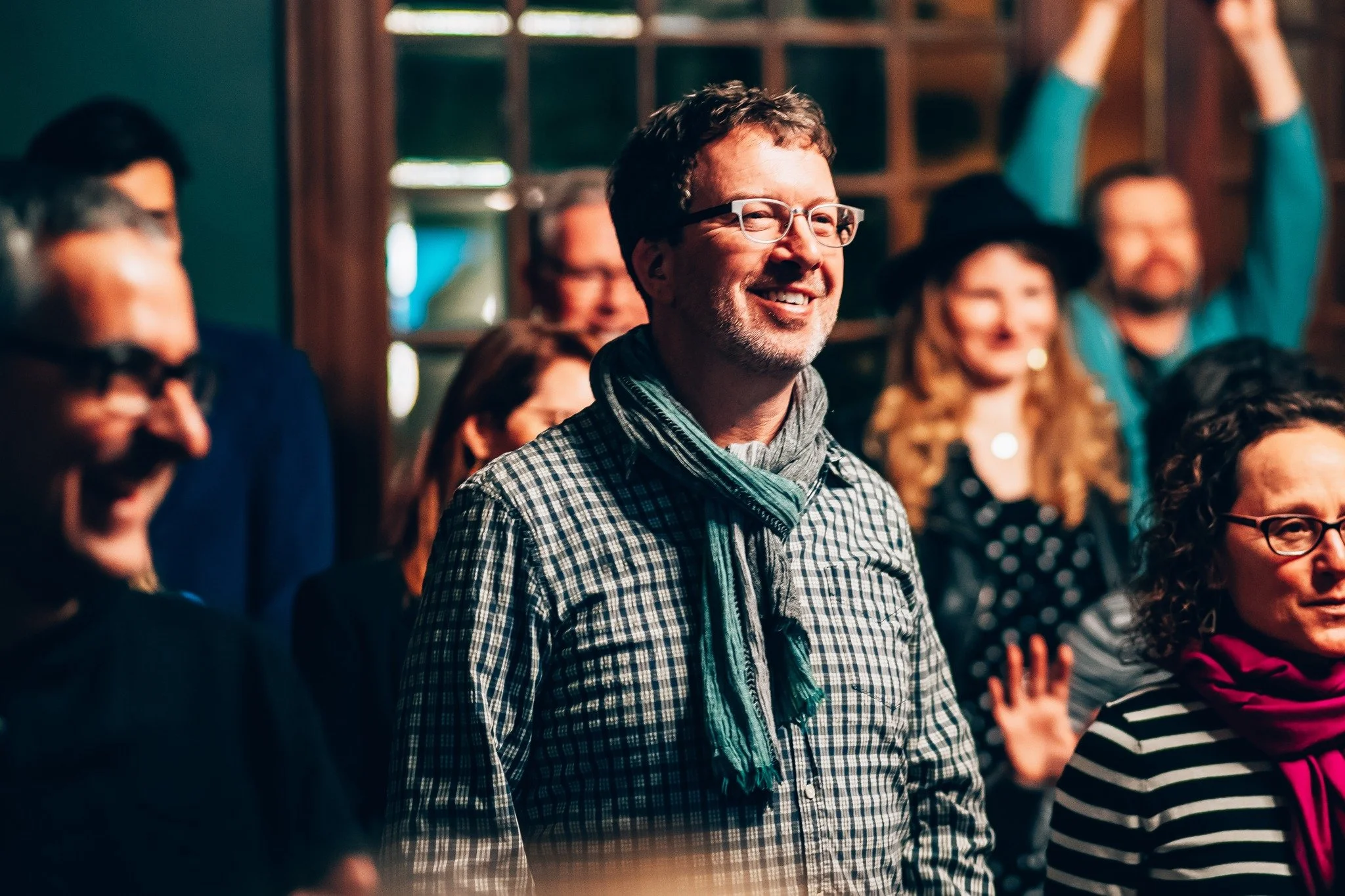
«We do not laugh because we are happy. We are happy because we laugh.» Madan Kataria
«We do not laugh because we are happy. We are happy because we laugh.» Madan Kataria
Why laughter is the most powerful tool you're not using
We tend to think of laughter as a byproduct of a good moment. Science tells a different story. Laughter is not just a reaction; it is a practice, a skill, and one of the most effective tools available to improve human performance, connection, and well-being.

The Science Behind It
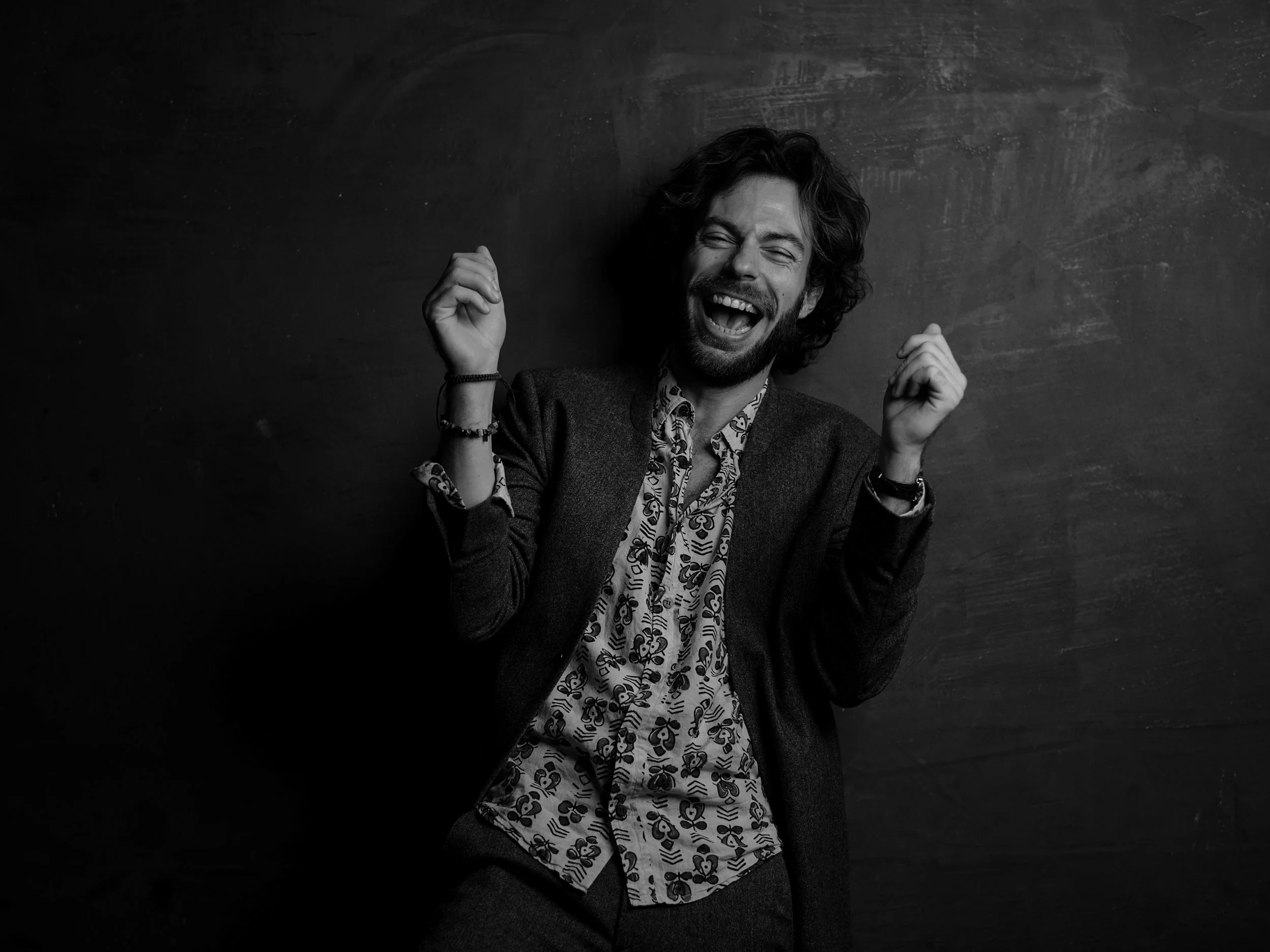
Laughter boosts blood flow by up to 50%. It triggers the release of serotonin and dopamine, the brain's natural mood regulators. It lowers cortisol levels, reducing the physiological impact of stress on the body. And here is what makes it truly remarkable: the body cannot tell the difference between a forced laugh and a genuine one. In less than 10 seconds, a simulated laugh becomes real, and with it come all the same benefits.
This is not a wellness trend. This is neuroscience, physiology, and decades of research applied in a room full of people who came in stressed and left lighter.
What regular laughter does
Strengthens the immune system
Oxygenates the entire body more effectively than most physical exercises
Activates creativity, focus, and mental clarity
Reduces anxiety, tension, and fear
Unlocks blocked situations and eases difficult relationships
Builds trust and deepens human connection
Fights burnout and depression
Cuts absenteeism by up to 25%
Makes happy employees 20% more productive
800 companies worldwide · 1,600 sessions · 60,000 participants · 1000 team events · 6 years of activity
800 companies worldwide · 1,600 sessions · 60,000 participants · 1000 team events · 6 years of activity
Our Approach
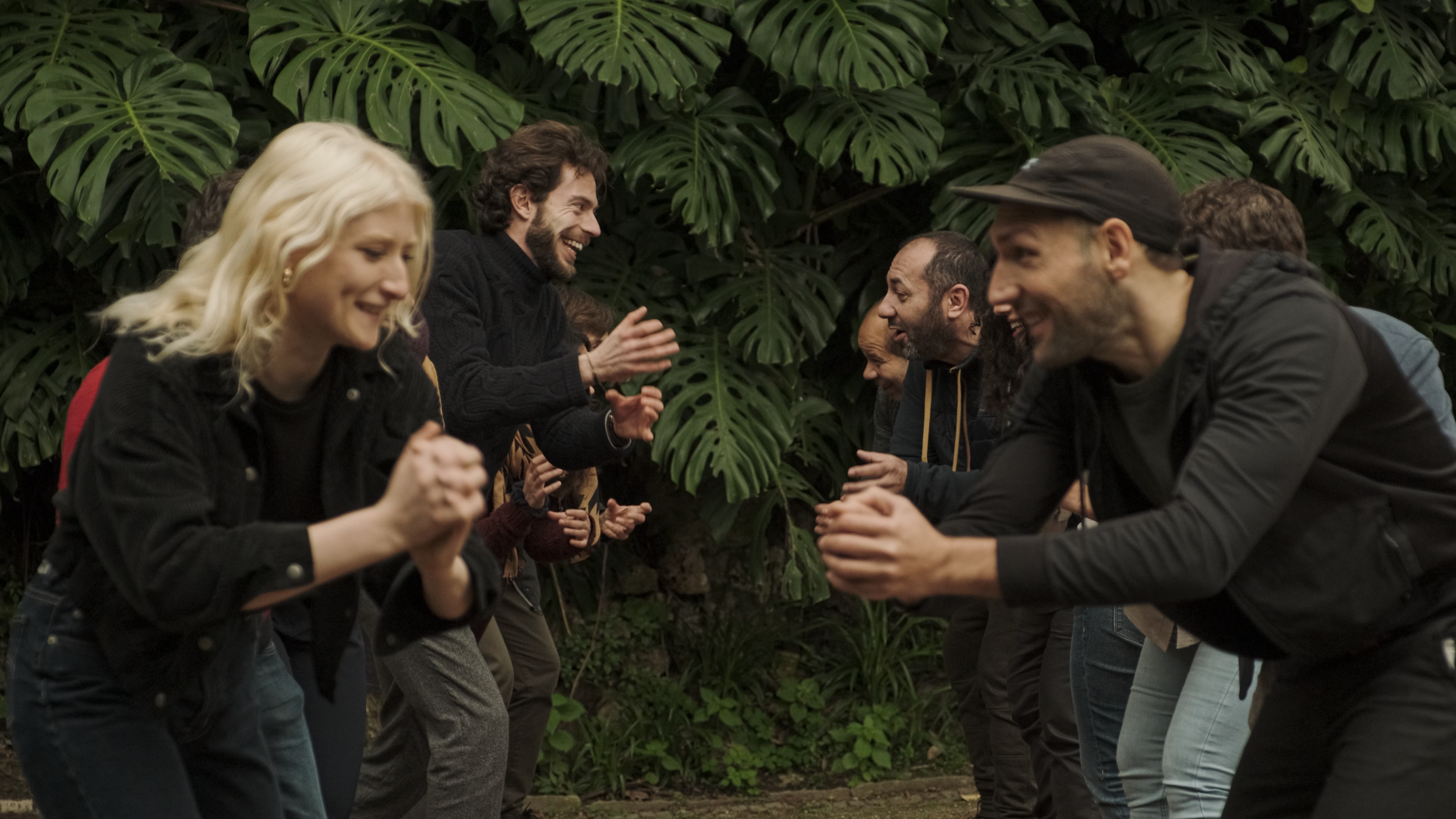
Fall in Laugh is a modernized laughter therapy experience that combines laughter yoga, happiness science, and comedy into a single, accessible format.
No performance required.
No experience needed.
Within the first 10 seconds, everyone is in.
Sessions are structured in two parts.
The first explores laughter as an innate human tool, effective in reducing stress, sadness, and mental noise while restoring energy and creativity.
The second teaches participants to use laughter consciously as a daily practice, to unblock situations, repair relationships, and stop taking everything so personally.
Each session ends with a short meditation, giving participants a moment to absorb the experience and carry its benefits into the rest of their day.
This work was recognized by Stanford University, where Fall in Laugh served as an auxiliary class in the Resilience and Humor programme for the academic year 2020–2021.